Equipment Expertise
What does ductwork do?
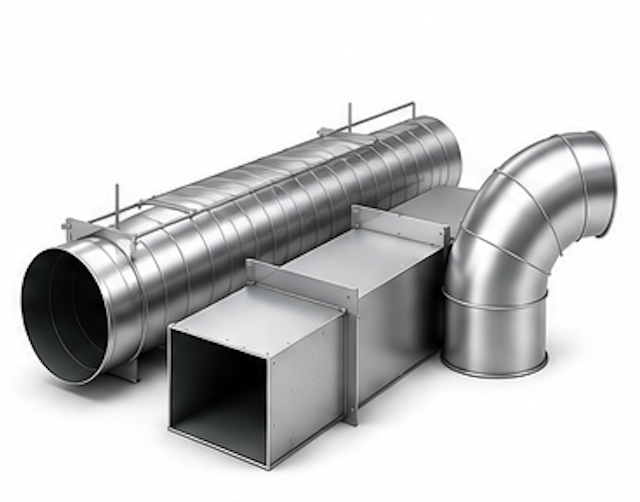
Ductwork distributes supply, return, outdoor and exhaust air through a building. Its layout, size and condition affect airflow, noise and the performance of connected HVAC equipment. Sheet metal work also includes transitions and fittings that connect equipment to the air distribution system.
Where you’ll find this equipment
- Commercial offices and retail spaces
- Warehouses and industrial facilities
- Tenant improvements and renovations
- Equipment replacements and ventilation changes
System Operation
How It Works
Fans create the pressure needed to move air through ducts. Branches, fittings and dampers direct that air to different zones, while grilles and diffusers deliver or collect it in occupied spaces. Restrictions and leakage can reduce the airflow reaching the intended area.
Equipment Overview
Main Components
Ducts and fittings
Carry air through main runs, branches and changes in direction.
Dampers
Regulate airflow or provide a specified isolation function.
Grilles and diffusers
Supply air to rooms and collect return or exhaust air.
Insulation and supports
Manage heat transfer, condensation risk and physical support.
Common Problems We Find
- Air leakage at joints and connections
- Crushed or restricted duct sections
- Loose supports and vibration
- Poorly adjusted balancing dampers
- Damaged insulation or condensation
- Airflow problems following layout changes
Why Maintenance Matters
Inspection should consider the full air path and connected equipment. Repairing damaged sections, checking accessible dampers and reviewing airflow after renovations helps identify why spaces are uncomfortable or poorly ventilated.
- More consistent building operation
- Earlier identification of wear and deficiencies
- Clearer repair and replacement priorities
The RK Approach
Service that considers the whole building
RK Climate Control supports commercial equipment troubleshooting, preventative maintenance and replacement planning throughout the Lower Mainland. We focus on practical diagnostics, clear documentation and the way each piece of equipment works with the rest of the building.
Describe the affected rooms, recent equipment or layout changes and whether you need a repair, modification or tenant-improvement quote.
Keep Your Equipment Running Reliably
Request service or discuss a maintenance plan for your building.