Equipment Expertise
What is a fan coil?
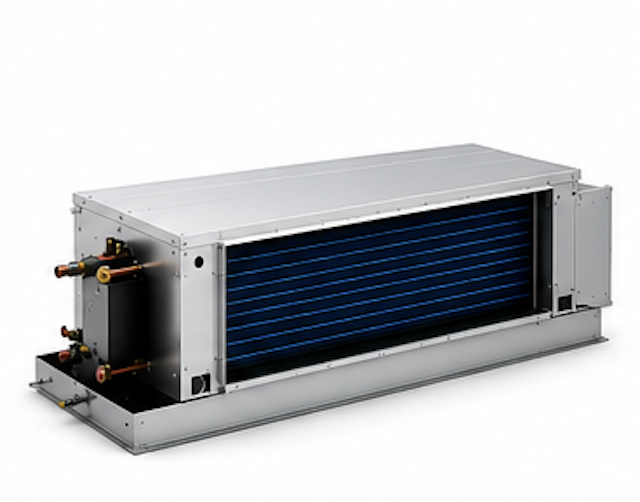
A fan coil moves room air across a heating or cooling coil to control the temperature of a space. Hydronic fan coils use hot or chilled water supplied by central building equipment; other configurations use refrigerant or electric heat.
Where you’ll find this equipment
- Office and commercial suites
- Multi-tenant properties
- Medical and dental spaces
- Buildings with central heating or cooling plants
System Operation
How It Works
A thermostat calls for heating or cooling, a fan circulates room air, and a valve or other control regulates output. In a two-pipe hydronic system, available heating or cooling depends on the building’s seasonal water supply. Four-pipe systems have separate hot- and chilled-water circuits.
Equipment Overview
Main Components
Fan and motor
Circulate air through the unit and into the occupied space.
Heating and cooling coils
Transfer heat between the air and the system’s heating or cooling source.
Valves and actuators
Regulate water flow in hydronic fan-coil systems.
Drain pan and controls
Collect cooling condensate and coordinate room temperature.
Common Problems We Find
- Dirty filters or plugged coils
- Noisy fans and worn bearings
- Sticking valves or failed actuators
- Condensate leaks and blocked drains
- Air trapped in hydronic piping
- Poor temperature control
Why Maintenance Matters
Routine filter care, coil inspection and drain cleaning support airflow and reduce water-leak risks. Checking fan operation, valves and controls helps resolve comfort complaints without overlooking the central system supplying the unit.
- More consistent building operation
- Earlier identification of wear and deficiencies
- Clearer repair and replacement priorities
The RK Approach
Service that considers the whole building
RK Climate Control supports commercial equipment troubleshooting, preventative maintenance and replacement planning throughout the Lower Mainland. We focus on practical diagnostics, clear documentation and the way each piece of equipment works with the rest of the building.
Share the unit location, whether heating or cooling is affected, and any noise, water leaks or recent building-system changes.
Keep Your Equipment Running Reliably
Request service or discuss a maintenance plan for your building.